

Skip to content
 
Build Today with Tomorrow in Mind
Learn More
  • Membership
  • Login
Facebook-f Instagram X-twitter Linkedin
  • Membership
  • Login
Facebook-f Instagram X-twitter Linkedin
Your Ads Here
Build Today with Tomorrow in Mind
  • Home
  • About Ecowise Media
  • News & Features
    • Housing & Development
    • Gen Z & Millennial Issues
    • Climate Solutions
    • Circular Economy
    • Sustainability
    • Wealth Distribution
    • Build Infrastructure
  • Expert Analysis
  • Actionable Solutions
  • Home
  • About Ecowise Media
  • News & Features
    • Housing & Development
    • Gen Z & Millennial Issues
    • Climate Solutions
    • Circular Economy
    • Sustainability
    • Wealth Distribution
    • Build Infrastructure
  • Expert Analysis
  • Actionable Solutions
Actionable Solutions

Can modular construction drive sustainability in Australia’s built environment?

  • Editor
  • June 10, 2025
Problem & Solution
Australia’s construction industry is responsible for 31% of the country’s total emissions, with 7% stemming from construction-related activity. Conventional building methods generate significant waste and consume large amounts of energy, making traditional developments less sustainable in the face of climate change.
Modular construction is emerging as a sustainable alternative, reducing waste, improving efficiency, and integrating energy-saving technologies. Prefabricated building components allow for precision engineering, minimising material waste and shortening construction timelines.

Recognising the urgent need for affordable and sustainable housing, the Australian government has unveiled an ambitious goal in the 2025 Federal Budget: to build 1.2 million new homes over the next five years through the National Housing Accord. Modular construction is expected to play a key role in meeting these targets, offering faster build times, lower environmental impact, and greater efficiency.

The initiative includes 54 million dollars to accelerate the adoption of construction technologies and 120 million dollars to streamline regulatory processes and boost innovation across the sector. Modular methods are already being integrated into affordable and social housing projects, providing practical, scalable solutions to address the housing crisis.

How modular construction reduces environmental impact

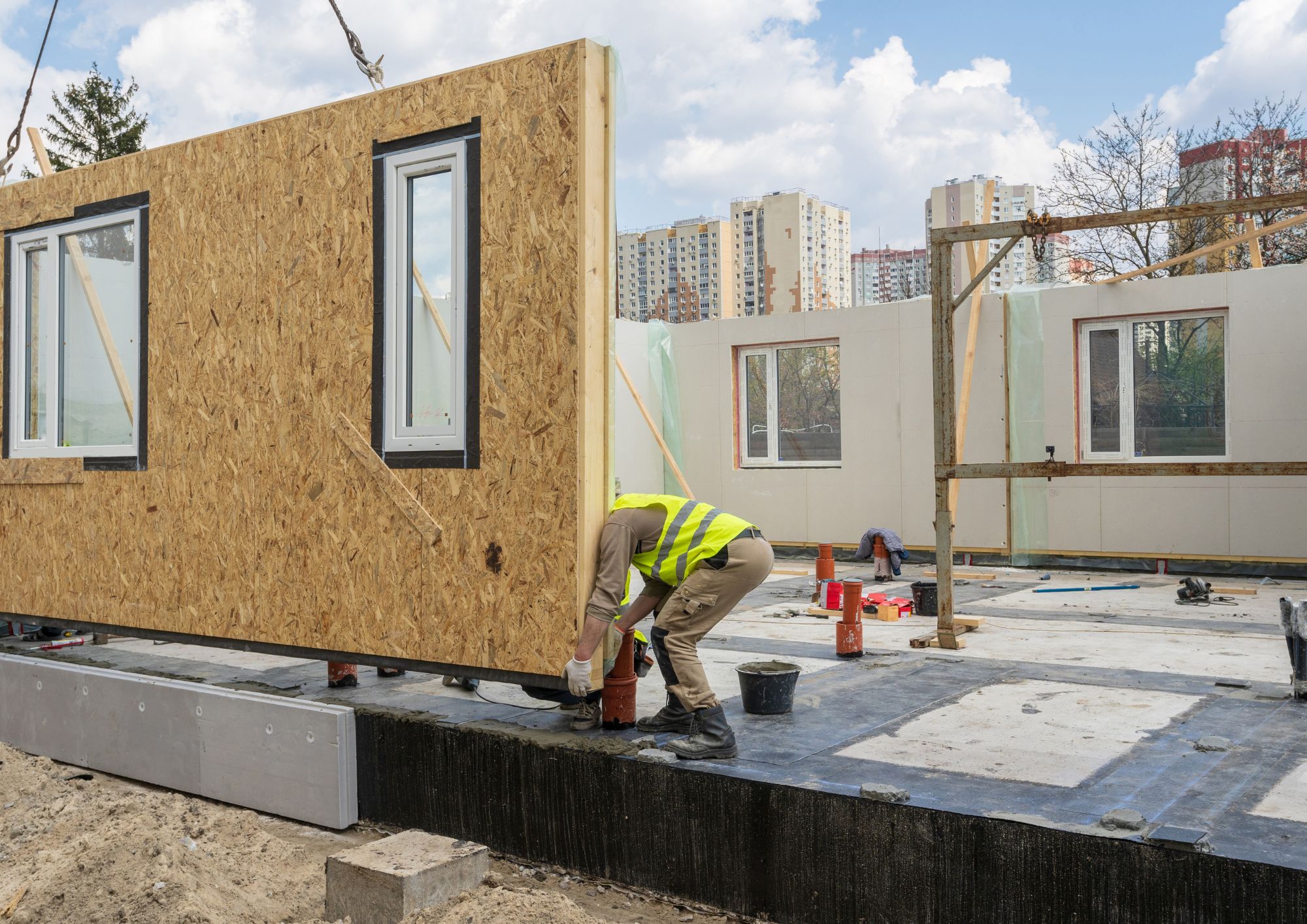
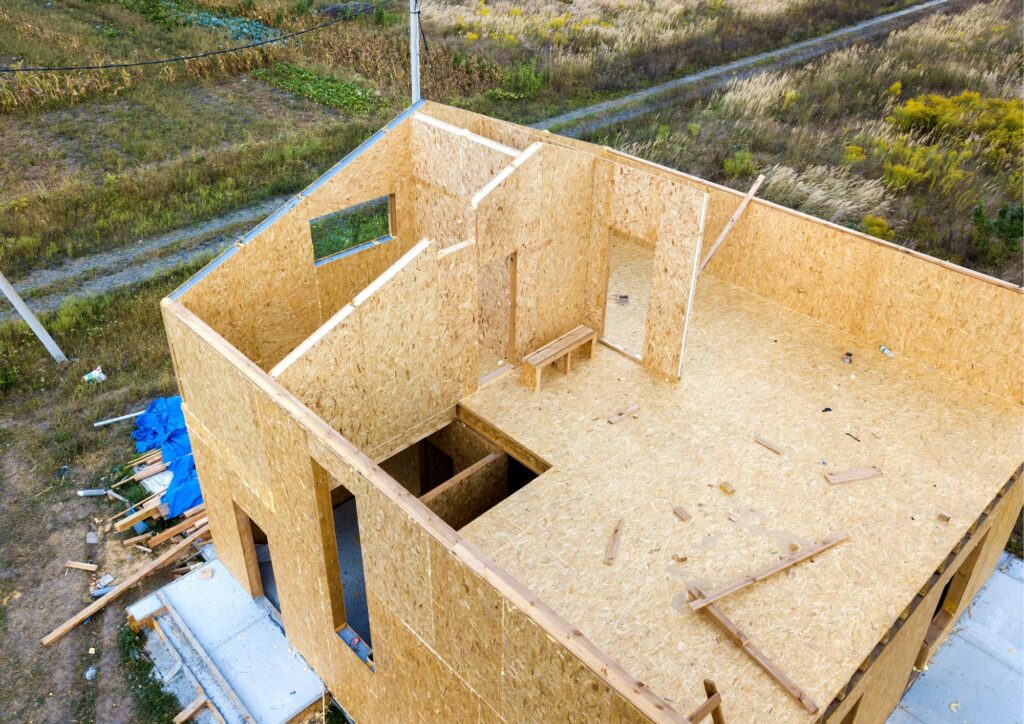
Modular homes are built off-site in a controlled environment before being transported and assembled on-site. This method reduces construction waste, shortens building timelines, and improves energy efficiency. Because modular homes are constructed indoors, they are less affected by weather delays, ensuring a faster and more predictable completion process.
A report from the Green Building Council of Australia highlights that a typical all-electric home in Australia produces seven times more carbon during construction than it does across six decades of occupancy. Modular construction significantly reduces embodied emissions, making it a key strategy for lowering the housing sector’s carbon footprint.

Prefab companies leading the shift

Several Australian companies are pioneering modular and prefabricated housing solutions. Modscape, based in Victoria, specialises in architecturally designed modular homes that integrate sustainable materials and energy-efficient systems. Ecoliv, another leader in the sector, focuses on prefabricated homes with passive solar design and water-saving features.

Prebuilt, operating since 2003, offers both residential and commercial modular solutions, ensuring high-quality, customisable designs. Archiblox, established in 2012, has gained recognition for its eco-friendly modular homes, incorporating energy-efficient technologies and sustainable building practices.

These companies exemplify the growing trend of modular construction in Australia, demonstrating how prefabrication can enhance sustainability while addressing housing shortages.

A model for future developments

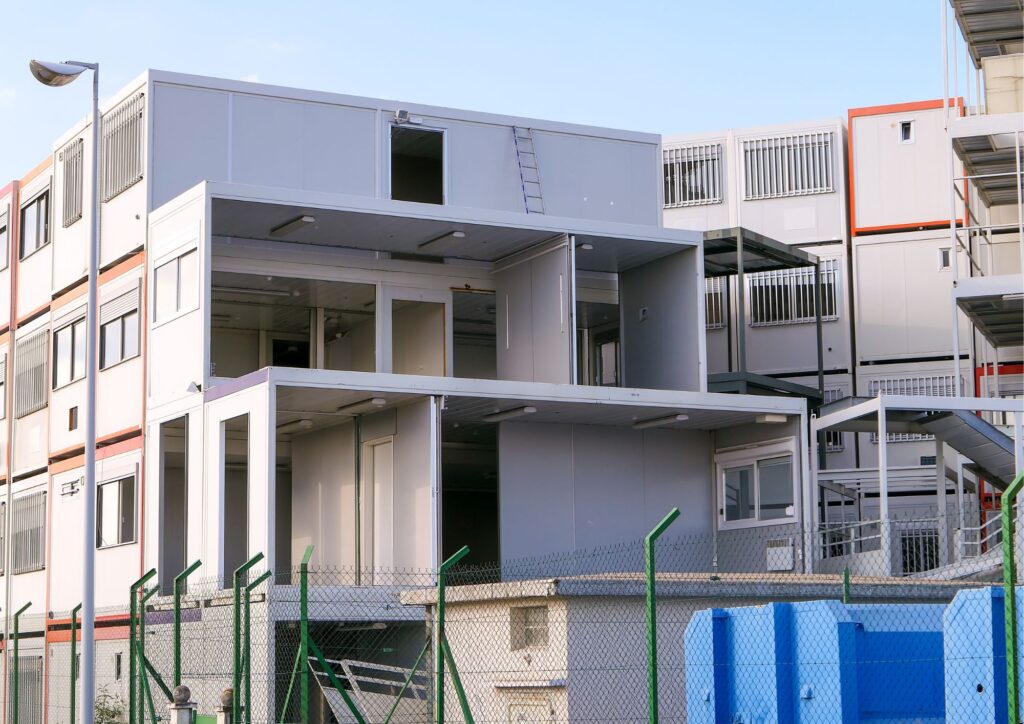
Modular construction is gaining traction across Australia, with urban and rural communities adopting it for affordable housing, off-grid living, and disaster recovery. The ability to transport and assemble homes quickly makes modular construction an ideal solution for regions facing housing shortages or environmental challenges.
Government incentives and policy shifts could further accelerate adoption, encouraging developers to prioritise modular construction over traditional building methods. With the right support, modular techniques could become a mainstream solution for sustainable urban development.

The rise of modular construction highlights its potential to reshape Australia’s built environment, offering eco-friendly, cost-effective, and adaptable solutions. As demand for sustainable development grows, modular techniques could become a key driver in reducing environmental impact while meeting infrastructure needs.

Reference

Modular construction can cut Australia’s housing carbon, says Green Building Council
share it
Facebook
Twitter
LinkedIn
Reddit
Picture of Editor
Editor
PrevPreviousSydney’s vanishing trees: A call for smarter urban planning
NextHow blockchain and AI are transforming Australia’s legal systemNext
Discover sustainable, affordable living with modular design
Learn More

Latest Post

Carbon credits in Australasia: a shifting market landscape
How blockchain and AI are transforming Australia’s legal system
Can modular construction drive sustainability in Australia’s built environment?
Sydney’s vanishing trees: A call for smarter urban planning
How businesses can lead in Australia’s carbon market transition
Closing the gap: Local council steps up for aboriginal communities in Australia

Popular Categories

  • Finance
  • Business
  • Technology
  • Lifestyle
  • News Today
  • Entertainment

Get free tips and resources right in your inbox, along with 10,000+ others

Discover sustainable, affordable living with modular design
Learn More

Related Article

All Post
Expert Analysis
Carbon credits in Australasia: a shifting market landscape
News & Features
How blockchain and AI are transforming Australia’s legal system
Actionable Solutions
Can modular construction drive sustainability in Australia’s built environment?
News & Features
Sydney’s vanishing trees: A call for smarter urban planning
Featured
How businesses can lead in Australia’s carbon market transition
News & Features
Closing the gap: Local council steps up for aboriginal communities in Australia
Ecowise Media is a solutions-driven platform highlighting challenges in housing, climate, and equity, while connecting them with real, actionable solutions for a sustainable future.
Facebook-f Instagram X-twitter Linkedin
Categories
  • Housing & Development
  • Gen Z & Millennial Issues
  • Climate Solutions
  • Circular Economy
  • Sustainability
  • Wealth Distribution
Company
  • About us
  • Advertise
  • Contact us
  • Sitemap

Sign up our newsletter to get update information, news and free insight.

Copyright © 2025 Ecowise Media, All rights reserved.
  • Term of use
  • Privacy Policy
  • Cookie Policy