

Skip to content
 
Build Today with Tomorrow in Mind
Learn More
  • Membership
  • Login
Facebook-f Instagram X-twitter Linkedin
  • Membership
  • Login
Facebook-f Instagram X-twitter Linkedin
Your Ads Here
Build Today with Tomorrow in Mind
  • Home
  • About Ecowise Media
  • News & Features
    • Housing & Development
    • Gen Z & Millennial Issues
    • Climate Solutions
    • Circular Economy
    • Sustainability
    • Wealth Distribution
    • Build Infrastructure
  • Expert Analysis
  • Actionable Solutions
  • Home
  • About Ecowise Media
  • News & Features
    • Housing & Development
    • Gen Z & Millennial Issues
    • Climate Solutions
    • Circular Economy
    • Sustainability
    • Wealth Distribution
    • Build Infrastructure
  • Expert Analysis
  • Actionable Solutions
News & Features

Sydney’s vanishing trees: A call for smarter urban planning

  • Editor
  • June 8, 2025
Problem & Solution
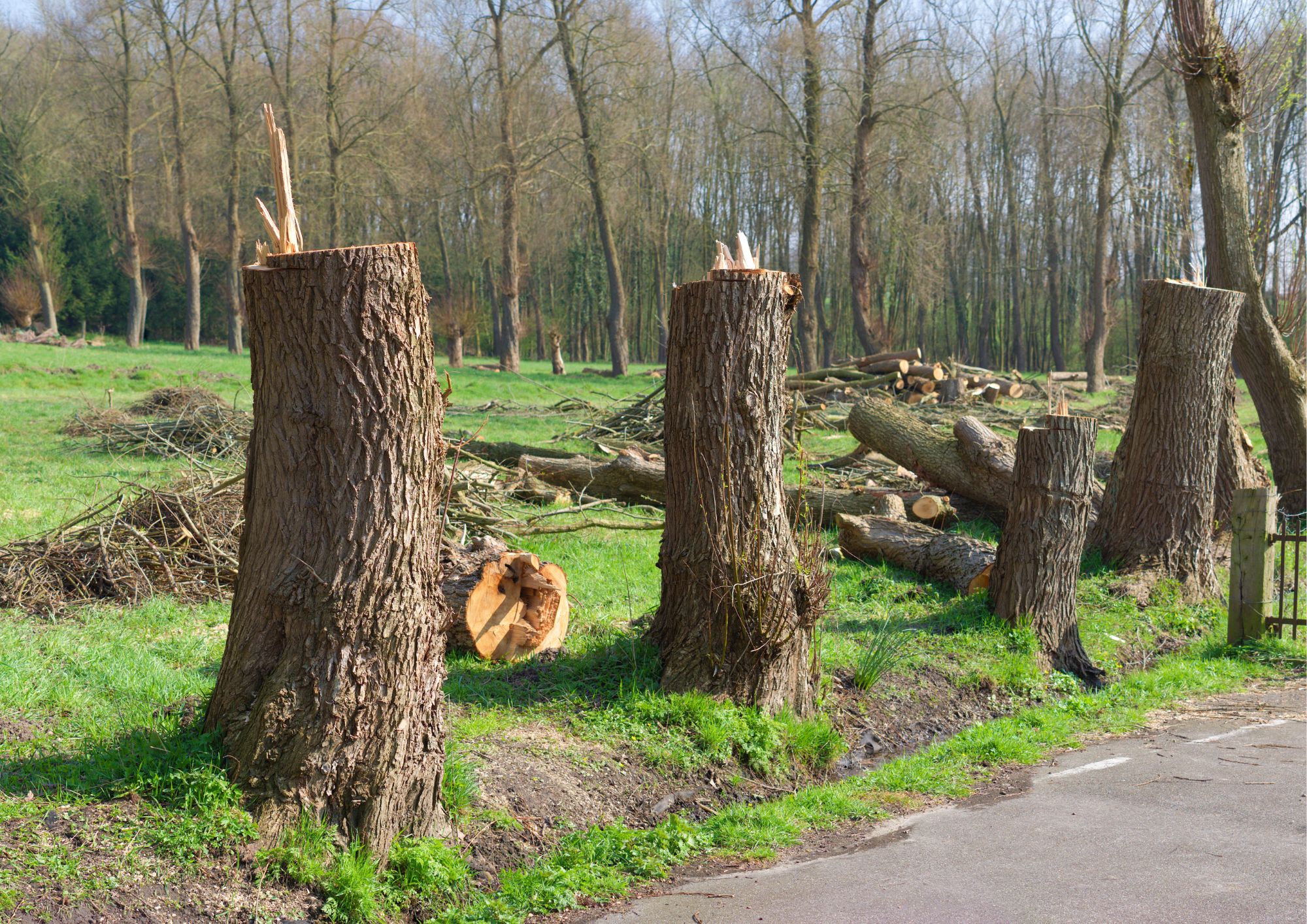
Sydney’s waterfront is losing its urban greenery at an alarming rate, with more than 500 trees illegally destroyed in recent months. The mass felling in Castle Cove and Longueville has not only damaged local ecosystems but also exposed loopholes in environmental laws, allowing perpetrators to escape prosecution. As cities grow, the pressure to clear land for development increases, often at the expense of biodiversity, climate resilience, and community well-being.
Stronger penalties and proactive enforcement could deter illegal tree felling, but long-term solutions require a shift in urban planning. Real-time monitoring, AI-driven tree protection systems, and legal reforms are among the possible measures to safeguard Sydney’s urban greenery. Sustainable urban planning models also offer a way forward, ensuring trees are integrated into future developments rather than removed.

Sydney’s harbourside suburbs have long been prized for their lush greenery and waterfront views, but a disturbing trend is threatening the city’s natural landscape. In recent months, hundreds of trees have been illegally cut down, with councils struggling to hold perpetrators accountable.

In Castle Cove, 265 trees were poisoned and cleared in August, while in Longueville, nearly 300 trees were felled in the dead of night using handsaws. Despite clear evidence of wrongdoing, prosecutions remain rare. Lane Cove Mayor Scott Bennison expressed frustration over the difficulty of enforcing penalties, stating, “It’s pretty hard to extract trees, so the question has to be asked: How come no-one heard anything?”
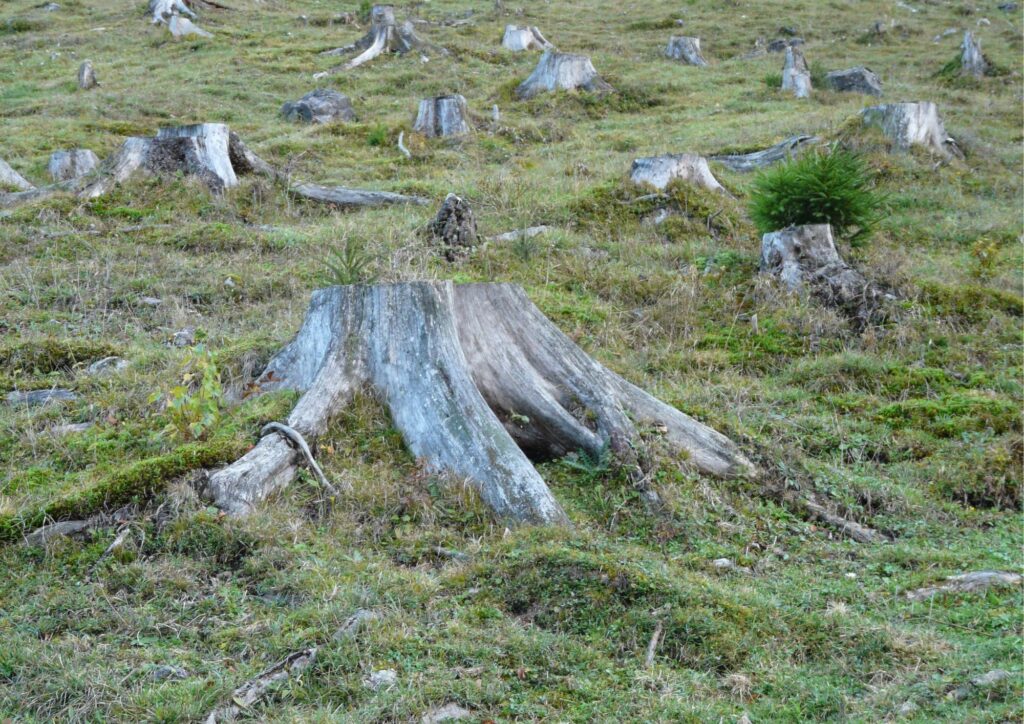
Environmental experts argue that current laws are inadequate, allowing tree vandals to act with impunity. Dr. Greg Moore, an ecologist at the University of Melbourne, criticized Australia’s tree protection laws, saying, “They’re so bad in most states you would almost describe them as anti-tree, and pro-development.”

Beyond enforcement, cities need smarter solutions to prevent future destruction. AI-powered tree monitoring systems could track tree health and detect illegal activity in real time. Updating tree preservation laws to ensure harsher penalties for unauthorized felling is another step toward accountability. Developers, too, have a role to play, working with urban forestry experts to integrate trees into new projects rather than remove them.

Future-focused solutions such as vertical forests-high-rise buildings designed with integrated greenery-could help cities balance development with environmental preservation. Modular green spaces, including prefabricated parks and rooftop gardens, offer another way to maintain urban greenery in dense areas.

Sydney’s urban greenery is a vital part of its ecosystem, climate resilience, and community well-being. Strengthening tree protection laws, increasing penalties, and improving enforcement will be key to preserving the city’s natural heritage.


Reference: 

https://www.abc.net.au/news/2023-12-03/nsw-trees-destroyed-around-sydney-harbour/103149638

share it
Facebook
Twitter
LinkedIn
Reddit
Picture of Editor
Editor
PrevPreviousHow businesses can lead in Australia’s carbon market transition
NextCan modular construction drive sustainability in Australia’s built environment?Next
Discover sustainable, affordable living with modular design
Learn More

Latest Post

Carbon credits in Australasia: a shifting market landscape
How blockchain and AI are transforming Australia’s legal system
Can modular construction drive sustainability in Australia’s built environment?
Sydney’s vanishing trees: A call for smarter urban planning
How businesses can lead in Australia’s carbon market transition
Closing the gap: Local council steps up for aboriginal communities in Australia

Popular Categories

  • Finance
  • Business
  • Technology
  • Lifestyle
  • News Today
  • Entertainment

Get free tips and resources right in your inbox, along with 10,000+ others

Discover sustainable, affordable living with modular design
Learn More

Related Article

All Post
Expert Analysis
Carbon credits in Australasia: a shifting market landscape
News & Features
How blockchain and AI are transforming Australia’s legal system
Actionable Solutions
Can modular construction drive sustainability in Australia’s built environment?
News & Features
Sydney’s vanishing trees: A call for smarter urban planning
Featured
How businesses can lead in Australia’s carbon market transition
News & Features
Closing the gap: Local council steps up for aboriginal communities in Australia
Ecowise Media is a solutions-driven platform highlighting challenges in housing, climate, and equity, while connecting them with real, actionable solutions for a sustainable future.
Facebook-f Instagram X-twitter Linkedin
Categories
  • Housing & Development
  • Gen Z & Millennial Issues
  • Climate Solutions
  • Circular Economy
  • Sustainability
  • Wealth Distribution
Company
  • About us
  • Advertise
  • Contact us
  • Sitemap

Sign up our newsletter to get update information, news and free insight.

Copyright © 2025 Ecowise Media, All rights reserved.
  • Term of use
  • Privacy Policy
  • Cookie Policy