


Skip to content
 
Build Today with Tomorrow in Mind
Learn More
  • Membership
  • Login
Facebook-f Instagram X-twitter Linkedin
  • Membership
  • Login
Facebook-f Instagram X-twitter Linkedin
Your Ads Here
Build Today with Tomorrow in Mind
  • Home
  • About Ecowise Media
  • News & Features
    • Housing & Development
    • Gen Z & Millennial Issues
    • Climate Solutions
    • Circular Economy
    • Sustainability
    • Wealth Distribution
    • Build Infrastructure
  • Expert Analysis
  • Actionable Solutions
  • Home
  • About Ecowise Media
  • News & Features
    • Housing & Development
    • Gen Z & Millennial Issues
    • Climate Solutions
    • Circular Economy
    • Sustainability
    • Wealth Distribution
    • Build Infrastructure
  • Expert Analysis
  • Actionable Solutions
Featured

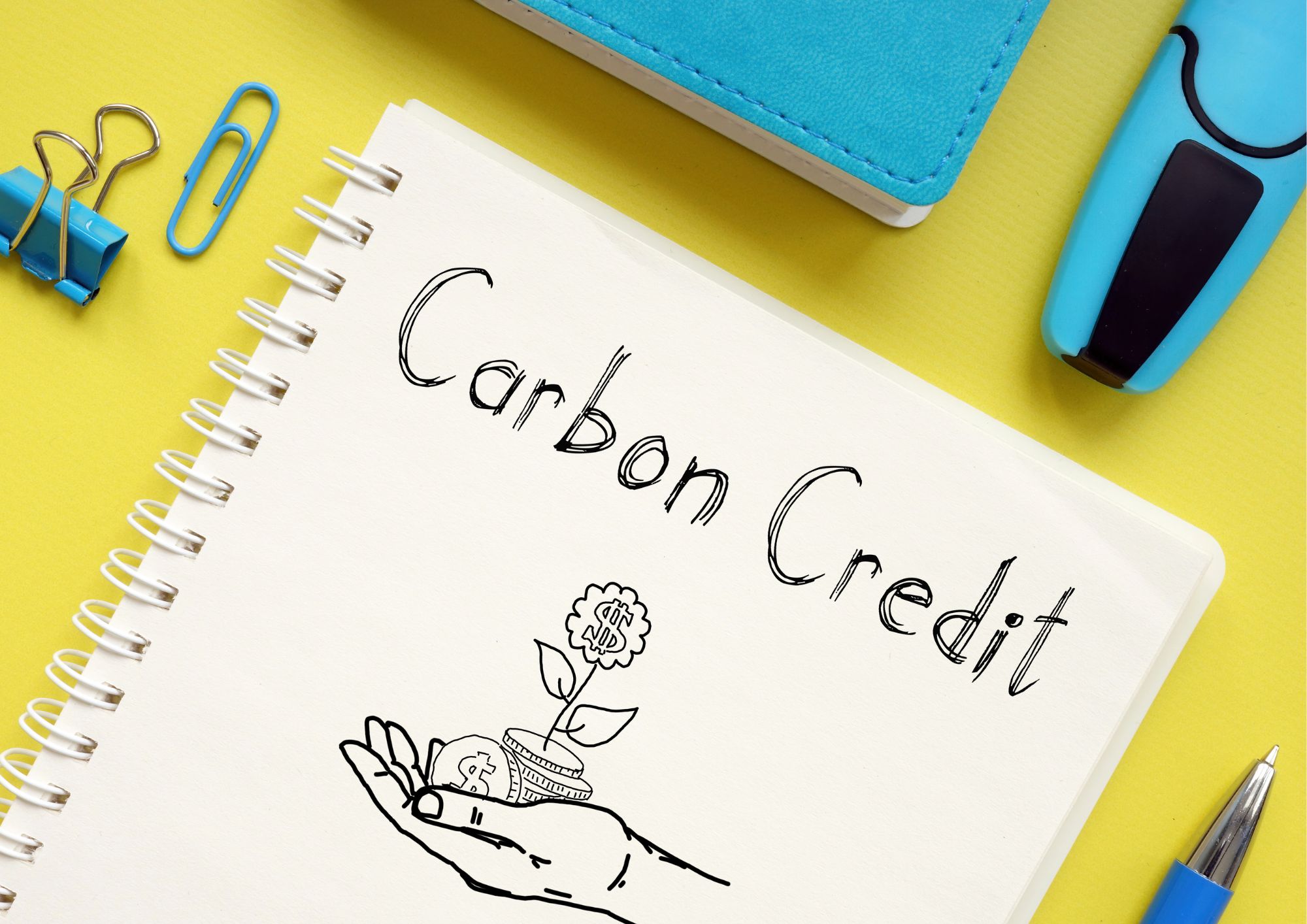
How businesses can lead in Australia’s carbon market transition

  • Editor
  • June 8, 2025
Problem & Solution
The Problem: Rising Costs and Stricter Regulations Australia’s carbon market is undergoing a transformation, with high-emitting industries now required to cut 4.9% of their emissions annually. This shift is not just about compliance—it’s about survival in an economy where carbon pricing is becoming a financial reality. As Australian Carbon Credit Unit (ACCU) prices rise, businesses that delay action will face mounting costs and regulatory pressure.
The Solution: Early Action and Innovation Companies that invest in clean infrastructure, optimize carbon credits, and adopt AI-driven tracking will stay competitive. Those who embrace emissions reductions now will avoid costly last-minute compliance and gain long-term advantages in a low-carbon economy.

Australia’s carbon market is shifting from voluntary participation to structured accountability. The Safeguard Mechanism, which covers 215 of the country’s largest industrial facilities, now requires companies to actively reduce emissions or purchase credits to offset their excess output.

Dr. Steve Hatfield-Dodds, Associate Partner at EY Port Jackson Partners, notes that policy choices beyond 2035 will have even greater consequences, signaling that businesses must prepare for long-term shifts rather than short-term fixes. The independent Chubb Review has reaffirmed the integrity of Australia’s carbon credit system, ensuring that ACCUs remain a viable tool for emissions management.

However, the rising cost of carbon credits presents a challenge. Analysts predict that ACCU prices could double to AU$75 by 2035, making offsets a costly alternative to direct emissions reductions. Companies that fail to integrate sustainable practices now may find themselves outpriced and outpaced by competitors who invest early in cleaner technologies.

Industry Leaders Taking Action

Some businesses are already adapting to the new carbon landscape. Mining and energy firms are exploring carbon capture technologies, while manufacturers are investing in low-emission production methods. AI-driven emissions tracking is also gaining traction, helping companies monitor and optimize their carbon footprint in real time.

The shift toward structured carbon pricing is not just a regulatory hurdle-it’s an opportunity for businesses to lead in sustainability. Those who act now will not only meet compliance requirements but also gain a competitive edge in a decarbonizing economy.

Insights From Experts

The Safeguard Mechanism reforms introduced in July 2023 are expected to drive demand for ACCUs, creating a more visible carbon price. According to EY’s Net Zero Centre, near-term strategies remain uncertain, but long-term technological developments could be significant.

Professor Ian Chubb, who led the independent review of ACCUs, concluded that the scheme was fundamentally well-designed but recommended improvements to enhance transparency and efficiency. The Australian government has accepted these recommendations in principle, reinforcing the credibility of the carbon credit market.

Looking Ahead

Australia’s carbon market transition is more than a compliance issue-it’s a defining moment for businesses to rethink their approach to sustainability. Companies that integrate carbon-conscious strategies today will be better positioned to navigate risks and drive innovation in a low-emission future.

Reference:

https://www.ey.com/en_au/insights/sustainability/australia-s-carbon-market-is-changing-gears-are-you-ready

share it
Facebook
Twitter
LinkedIn
Reddit
Picture of Editor
Editor
PrevPreviousClosing the gap: Local council steps up for aboriginal communities in Australia
NextSydney’s vanishing trees: A call for smarter urban planningNext
Discover sustainable, affordable living with modular design
Learn More

Latest Post

Carbon credits in Australasia: a shifting market landscape
How blockchain and AI are transforming Australia’s legal system
Can modular construction drive sustainability in Australia’s built environment?
Sydney’s vanishing trees: A call for smarter urban planning
How businesses can lead in Australia’s carbon market transition
Closing the gap: Local council steps up for aboriginal communities in Australia

Popular Categories

  • Finance
  • Business
  • Technology
  • Lifestyle
  • News Today
  • Entertainment

Get free tips and resources right in your inbox, along with 10,000+ others

Discover sustainable, affordable living with modular design
Learn More

Related Article

All Post
Expert Analysis
Carbon credits in Australasia: a shifting market landscape
News & Features
How blockchain and AI are transforming Australia’s legal system
Actionable Solutions
Can modular construction drive sustainability in Australia’s built environment?
News & Features
Sydney’s vanishing trees: A call for smarter urban planning
Featured
How businesses can lead in Australia’s carbon market transition
News & Features
Closing the gap: Local council steps up for aboriginal communities in Australia
Ecowise Media is a solutions-driven platform highlighting challenges in housing, climate, and equity, while connecting them with real, actionable solutions for a sustainable future.
Facebook-f Instagram X-twitter Linkedin
Categories
  • Housing & Development
  • Gen Z & Millennial Issues
  • Climate Solutions
  • Circular Economy
  • Sustainability
  • Wealth Distribution
Company
  • About us
  • Advertise
  • Contact us
  • Sitemap

Sign up our newsletter to get update information, news and free insight.

Copyright © 2025 Ecowise Media, All rights reserved.
  • Term of use
  • Privacy Policy
  • Cookie Policy