

Skip to content
 
Build Today with Tomorrow in Mind
Learn More
  • Membership
  • Login
Facebook-f Instagram X-twitter Linkedin
  • Membership
  • Login
Facebook-f Instagram X-twitter Linkedin
Your Ads Here
Build Today with Tomorrow in Mind
  • Home
  • About Ecowise Media
  • News & Features
    • Housing & Development
    • Gen Z & Millennial Issues
    • Climate Solutions
    • Circular Economy
    • Sustainability
    • Wealth Distribution
    • Build Infrastructure
  • Expert Analysis
  • Actionable Solutions
  • Home
  • About Ecowise Media
  • News & Features
    • Housing & Development
    • Gen Z & Millennial Issues
    • Climate Solutions
    • Circular Economy
    • Sustainability
    • Wealth Distribution
    • Build Infrastructure
  • Expert Analysis
  • Actionable Solutions
News & Features

Can repurposing vacant buildings solve Australia’s housing crisis?

  • Editor
  • April 20, 2025
Problem & Solution
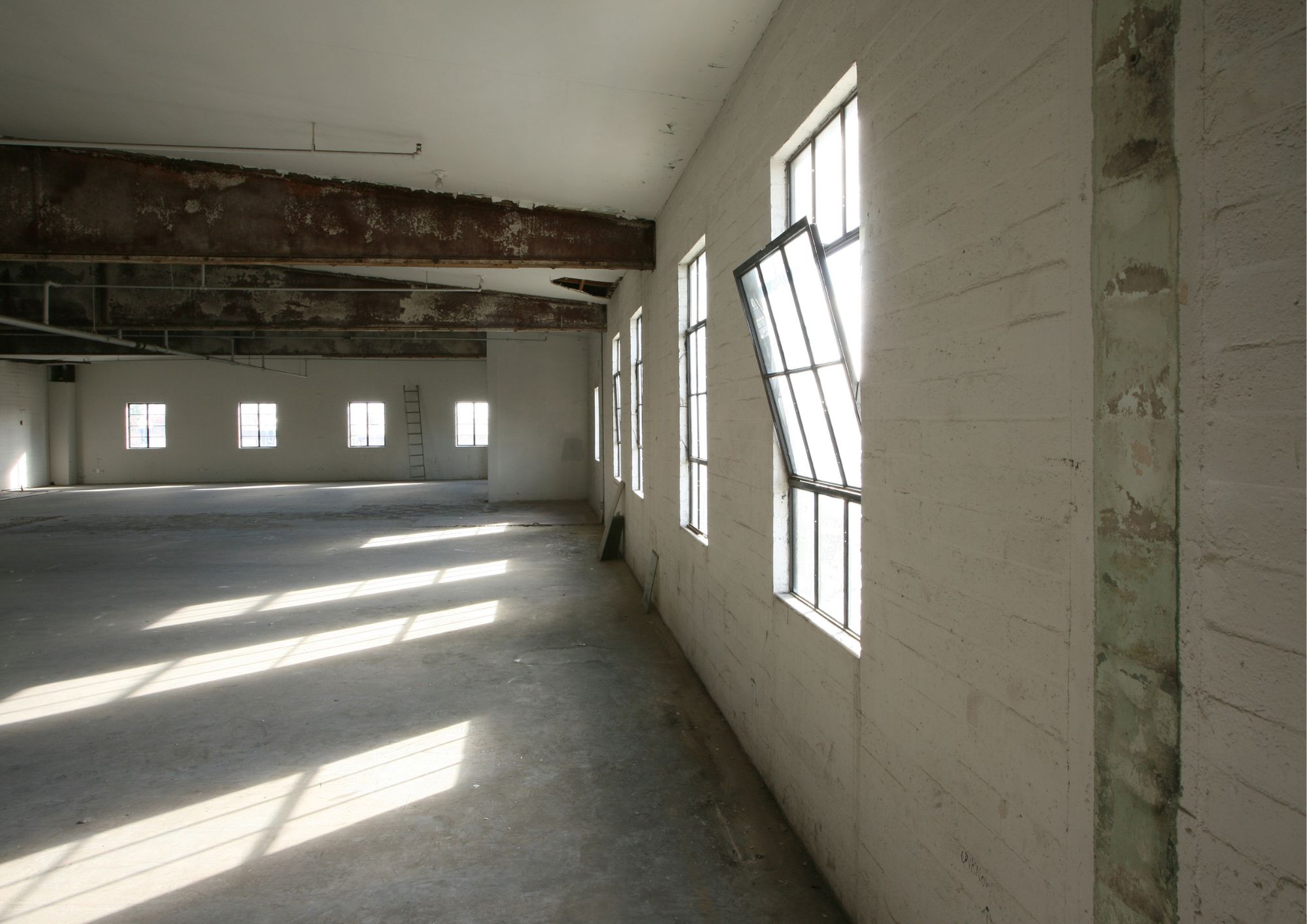
Australia is facing a severe housing crisis, with rising rents, limited affordable housing, and increasing homelessness. At the same time, many commercial buildings sit vacant, particularly in city centres. These underutilized spaces represent a missed opportunity.
Instead of demolishing and rebuilding, cities can repurpose existing commercial spaces into residential housing. Projects like Make Room in Melbourne demonstrate how vacant buildings can be transformed into affordable housing, reducing waste and lowering carbon emissions.

The Make Room project is a blueprint for how cities can rethink urban spaces. Located in Melbourne’s CBD, the initiative converts an unused commercial building into transitional housing for vulnerable populations. By repurposing existing structures, the project avoids the high environmental cost of demolition and new construction while providing immediate housing solutions.

Urban planning expert Dr. Sarah Williams notes that adaptive reuse is one of the most sustainable approaches to urban development, as it minimizes waste and maximizes existing infrastructure. “We don’t need to build more- we need to use what we already have,” she explains.

A model for other cities

Melbourne’s approach could serve as a template for other Australian cities struggling with housing shortages. Sydney, Brisbane, and Perth all have vacant commercial spaces that could be repurposed into housing, reducing homelessness while supporting sustainability goals.
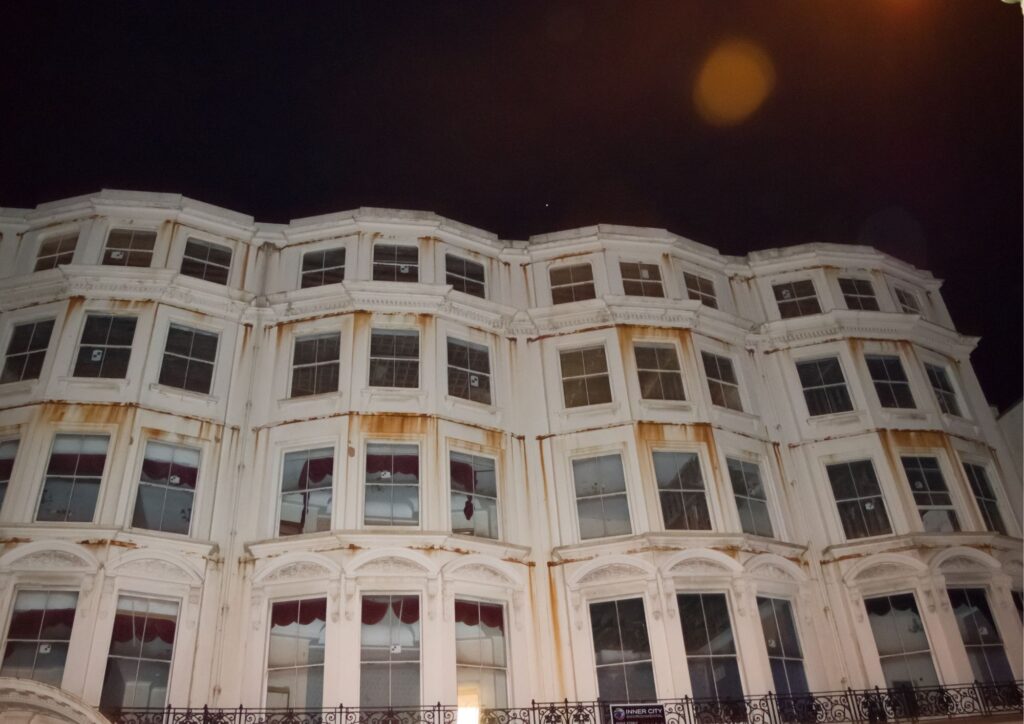
Associate Professor Philip Oldfield from UNSW’s School of Built Environment highlights the environmental contradiction cities face: “We need to contribute to far fewer emissions, but we need to build far more homes. So there’s this shift towards thinking about when do we need to build, and how can we adaptively reuse existing assets”.

Government incentives and policy shifts could accelerate this trend, encouraging developers to prioritize adaptive reuse over new construction. With the right support, cities can turn empty spaces into thriving communities, proving that sustainability and housing solutions can go hand in hand.

Looking ahead

The success of projects like Make Room highlights the potential of adaptive reuse in tackling Australia’s housing crisis. As cities search for innovative solutions, repurposing vacant buildings could become a key strategy in creating more sustainable and inclusive urban environments.

Reference

https://www.unsw.edu.au/newsroom/news/2023/04/adaptive-reuse–should-we-convert-empty-offices-to-address-housi

share it
Facebook
Twitter
LinkedIn
Reddit
Picture of Editor
Editor
PrevPreviousHundreds of trees killed and no one held to account
NextNet-zero homes: The future of climate-resilient livingNext
Discover sustainable, affordable living with modular design
Learn More

Latest Post

Carbon credits in Australasia: a shifting market landscape
How blockchain and AI are transforming Australia’s legal system
Can modular construction drive sustainability in Australia’s built environment?
Sydney’s vanishing trees: A call for smarter urban planning
How businesses can lead in Australia’s carbon market transition
Closing the gap: Local council steps up for aboriginal communities in Australia

Popular Categories

  • Finance
  • Business
  • Technology
  • Lifestyle
  • News Today
  • Entertainment

Get free tips and resources right in your inbox, along with 10,000+ others

Discover sustainable, affordable living with modular design
Learn More

Related Article

All Post
Expert Analysis
Carbon credits in Australasia: a shifting market landscape
News & Features
How blockchain and AI are transforming Australia’s legal system
Actionable Solutions
Can modular construction drive sustainability in Australia’s built environment?
News & Features
Sydney’s vanishing trees: A call for smarter urban planning
Featured
How businesses can lead in Australia’s carbon market transition
News & Features
Closing the gap: Local council steps up for aboriginal communities in Australia
Ecowise Media is a solutions-driven platform highlighting challenges in housing, climate, and equity, while connecting them with real, actionable solutions for a sustainable future.
Facebook-f Instagram X-twitter Linkedin
Categories
  • Housing & Development
  • Gen Z & Millennial Issues
  • Climate Solutions
  • Circular Economy
  • Sustainability
  • Wealth Distribution
Company
  • About us
  • Advertise
  • Contact us
  • Sitemap

Sign up our newsletter to get update information, news and free insight.

Copyright © 2025 Ecowise Media, All rights reserved.
  • Term of use
  • Privacy Policy
  • Cookie Policy