South Australia has long been a leader in renewable energy, but regional towns often struggle with grid reliability. Power fluctuations, seasonal demand spikes, and prolonged outages remain common, particularly in areas at the edge of the network. Instead of costly infrastructure upgrades, SA Power Networks is trialling a more innovative approach- community batteries.
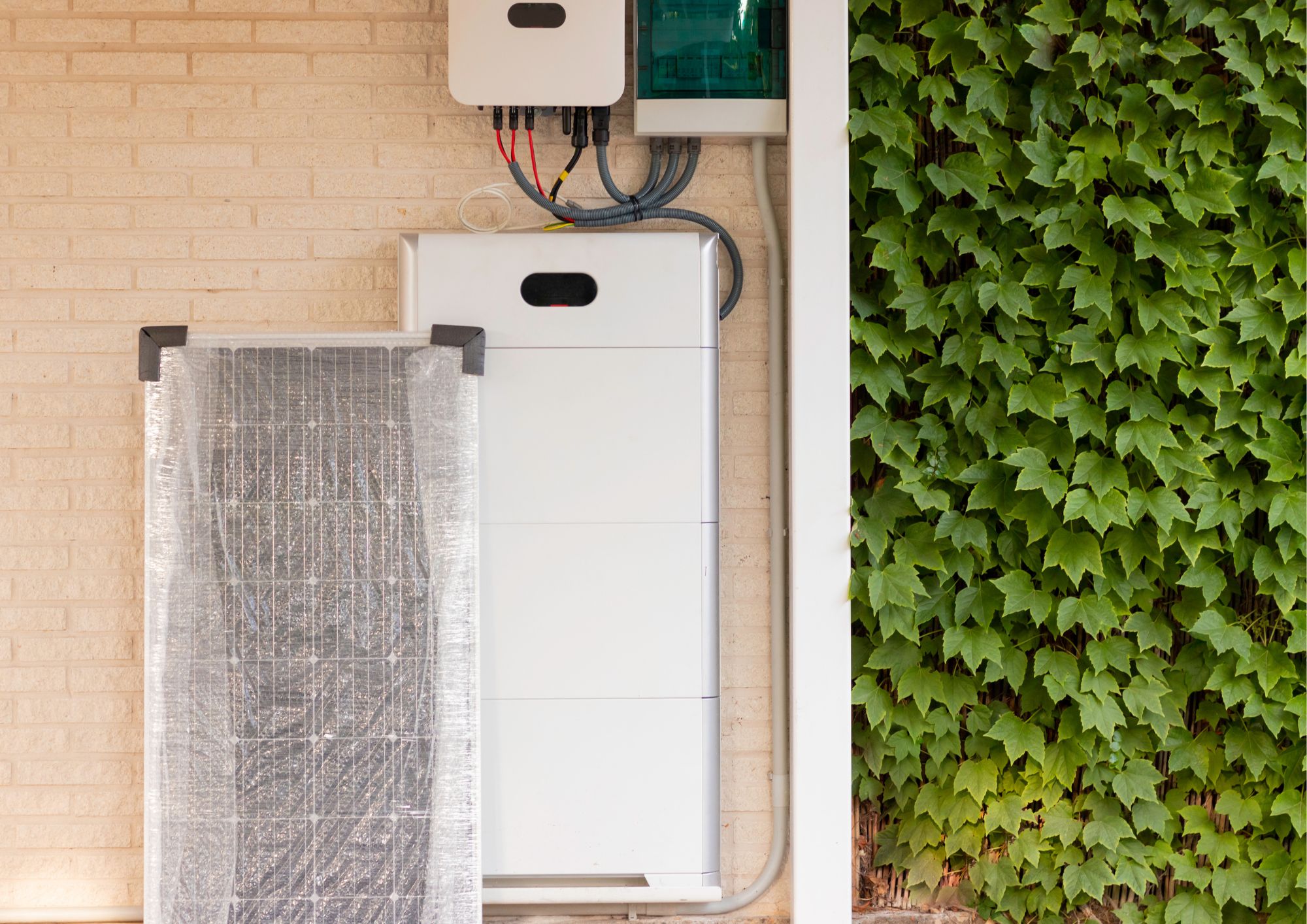
These batteries, funded by the Australian Renewable Energy Agency (ARENA), are being deployed across eight locations, including Robe and Lameroo, to stabilise the grid and support local renewable energy generation2. The concept is simple: store excess solar and wind power when supply is high and release it when demand peaks. This reduces reliance on fossil fuels and ensures a more resilient energy system.
Robe, a coastal town that sees a surge in population during summer, is receiving a 2MW/2MWh battery to manage seasonal demand. Meanwhile, smaller batteries are being installed in remote areas prone to blackouts, ensuring essential services remain operational during extreme weather events2.
The benefits extend beyond reliability. Community batteries can also support electric vehicle (EV) charging infrastructure, a crucial step in transitioning to cleaner transport. Four of the trial batteries are specifically designed to enable fast EV charging in regional towns, reducing strain on the grid and making long-distance travel more feasible.
This decentralised approach to energy storage is a glimpse into the future. Instead of relying on large-scale power plants and long transmission lines, towns can generate, store, and use their own renewable energy more efficiently. Peter Kerr, a renewable energy expert, notes that “big batteries allow communities to take control of their energy needs rather than being dependent on distant infrastructure”.
Indigenous-led energy projects are also gaining momentum. The Indigenous Carbon Industry Network supports carbon credit initiatives that align with traditional land management practices, such as savanna fire management to reduce emissions. These efforts demonstrate how localised solutions can complement broader sustainability goals.
If successful, SA Power Networks’ battery trial could pave the way for wider adoption across Australia. By decentralising energy storage, towns can become more self-sufficient, reducing reliance on long-distance power transmission and maximising the benefits of local renewables.
Reference:
https://www.sapowernetworks.com.au/data/321789/community-batteries-project