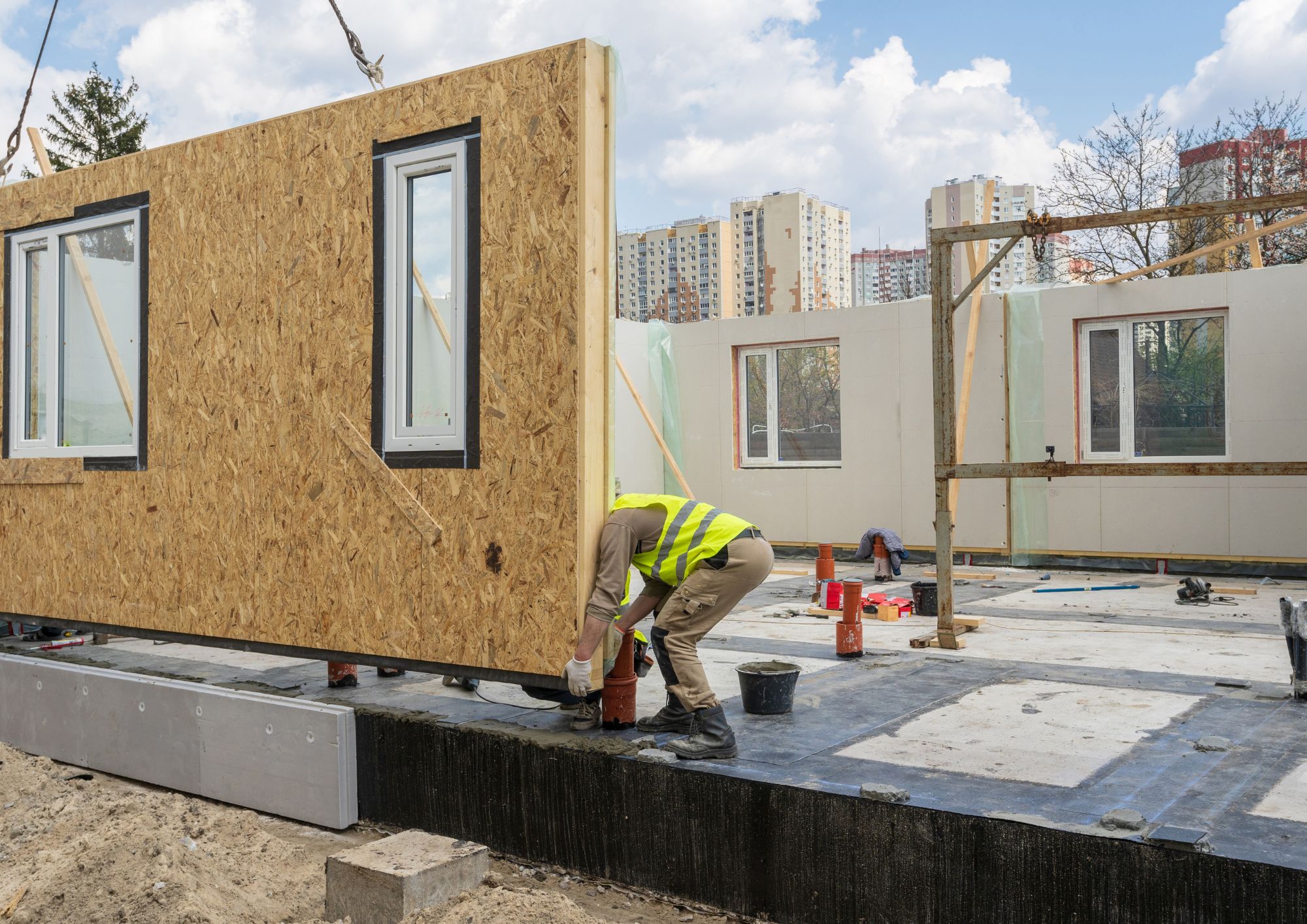

The idea of a home that produces as much energy as it consumes might have seemed futuristic a decade ago, but today, net-zero homes are becoming a reality. As climate change intensifies, homeowners and developers are rethinking how houses are built-not just for efficiency, but for resilience.
Net-zero homes are designed to be self-sufficient, generating their own power through solar panels, wind turbines, or other renewable sources. They incorporate high-performance insulation, passive solar heating, and energy-efficient appliances, ensuring minimal energy waste. The result? A home that not only reduces carbon emissions but also shields residents from rising energy costs.
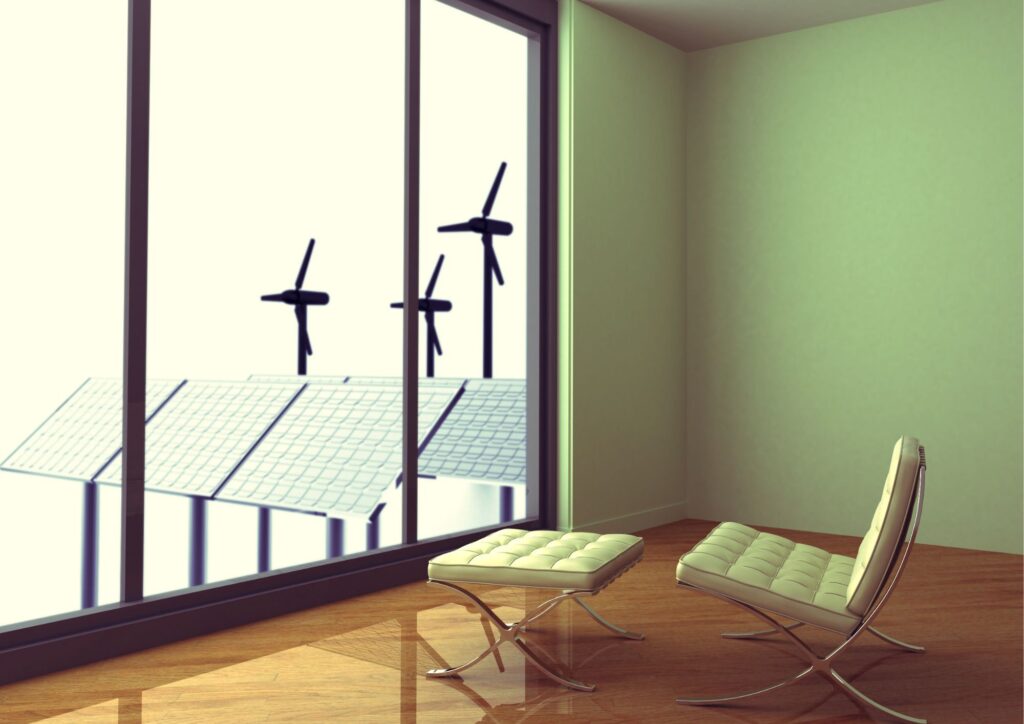
In New Zealand, where extreme weather events are becoming more frequent, net-zero homes are gaining traction. The New Zealand Green Building Council has been pushing for higher energy efficiency standards, encouraging developers to integrate net-zero principles into new builds. Meanwhile, in Australia, architects are designing homes that can withstand bushfires and heatwaves while maintaining energy independence.
The financial benefits are undeniable. While the upfront cost of building a net-zero home can be 10-20% higher than conventional housing, long-term savings on energy bills make them a smart investment. Studies show that net-zero homes can reduce household energy costs by up to 80%, making them an attractive option for homeowners looking to future-proof their properties.
Beyond individual homes, entire communities are embracing net-zero living. BillionBricks, a climate-tech venture, is developing net-zero housing projects aimed at providing sustainable, affordable homes for vulnerable populations. Their approach combines solar-powered housing with smart energy management, ensuring that communities remain resilient in the face of climate change.
Governments are also stepping up. Australia’s National Construction Code now includes stricter energy efficiency requirements, while New Zealand’s Building for Climate Change programme is setting ambitious targets for reducing emissions in the housing sector. These policies signal a shift towards net-zero as the new standard, rather than an exception.
Net-zero homes represent more than just an architectural trend-they are a fundamental shift in how we approach housing. As technology advances and policies evolve, net-zero living is set to become the norm, offering a climate-resilient, cost-effective, and sustainable solution for the future.
Reference: